Physical Weathering:
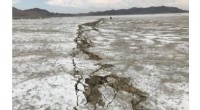
* Concrete: This is a common material that breaks down through physical weathering. The repeated freezing and thawing of water in concrete's pores can cause it to crack and crumble.
* Asphalt: The expansion and contraction of asphalt due to temperature changes, along with the abrasive action of traffic, can lead to cracks and potholes.
* Glass: While very resistant, glass can be chipped or shattered by impacts, and exposure to sand can cause abrasion.
Chemical Weathering:
* Steel: Rust is a major problem for steel structures. This occurs through oxidation, where iron reacts with oxygen and water to form iron oxide (rust).
* Paint: Many paints are susceptible to chemical breakdown due to exposure to UV radiation from the sun, leading to fading and cracking.
* Plastics: Some plastics can be degraded by exposure to UV radiation, heat, and certain chemicals.
Items susceptible to both:
* Stone Structures: Buildings made of stone are vulnerable to both types of weathering. Physical weathering can cause cracks and fractures, while acidic rain (chemical weathering) can erode the surface.
* Metal Statues: Statues made of metals like bronze can be affected by oxidation, but also by abrasive wear and tear from wind-borne particles.
It's important to note:
* The rate of weathering depends on factors like the material itself, climate, and exposure.
* Some human-made materials are designed to resist weathering, such as certain types of concrete, paints, and plastics.
Let me know if you'd like me to explore specific examples in more detail!