1. Plants absorb carbon dioxide and water: Plants take in carbon dioxide (CO2) from the atmosphere through tiny openings on their leaves called stomata. They also absorb water from the soil through their roots.
2. Sunlight provides energy: Sunlight provides the energy needed for photosynthesis. Chlorophyll, a green pigment found in plants, absorbs sunlight.
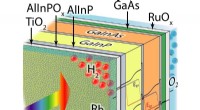
3. Chemical reaction: Within the plant's cells, the absorbed CO2 and water, along with sunlight energy, undergo a series of chemical reactions.
4. Glucose and oxygen are produced: The chemical reactions result in the production of glucose (a simple sugar) and oxygen (O2).
5. Oxygen is released into the atmosphere: The plant releases the oxygen it has produced as a byproduct of photosynthesis back into the atmosphere. This oxygen is vital for all living organisms, including humans, to breathe.
6. Glucose is used for growth and energy: The glucose produced in photosynthesis is the plant's food source. It uses the glucose for growth, reproduction, and other vital functions.
In summary:
Photosynthesis is a crucial process that allows plants to convert light energy into chemical energy in the form of glucose. This process is essential for life on Earth as it provides the oxygen we breathe and is the foundation of most food chains.