For Liquids:
* Measuring spoons: These come in various sizes, typically 1/4 teaspoon, 1/2 teaspoon, 1 teaspoon, 1 tablespoon, and 2 tablespoons. They are commonly used for small quantities of liquids.
* Droppers: For very small quantities, droppers can be used to measure liquids drop by drop. These are useful for essential oils, extracts, or very concentrated ingredients.
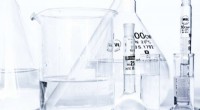
* Graduated cylinder: This is a cylindrical container with markings that allow precise measurement of liquids. While not common in everyday cooking, graduated cylinders are useful for more scientific or precise applications.
* Syringe: For extremely small quantities, a syringe without a needle can be used to measure liquids.
For Solids:
* Measuring spoons: Measuring spoons are also used for measuring small quantities of solids, such as spices, baking powder, or salt.
* Small kitchen scale: A kitchen scale can measure ingredients with high accuracy, down to fractions of a gram. This is especially useful for baking, where precise measurements are crucial.
* Pinch or a dash: These are informal measurements that are used for very small quantities of spices or other ingredients. A pinch is about the amount you can hold between your thumb and forefinger, and a dash is even smaller.
Choosing the Right Tool:
The best tool for measuring small quantities depends on the specific ingredient and the recipe. Here are some tips:
* Accuracy: If accuracy is critical, use a kitchen scale or graduated cylinder.
* Convenience: For everyday cooking, measuring spoons are often the most convenient option.
* Quantity: For very small quantities, use droppers, syringes, or a pinch/dash.
Remember, it is always best to follow the recipe's instructions carefully and use the recommended measurement tools.