1. Molecular Structure and Bonding:
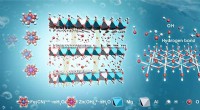
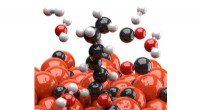
* Ice: In ice, water molecules are arranged in a rigid, crystalline structure. They are held together by strong hydrogen bonds, which create a relatively large space between molecules.
* Liquid Water: As heat is added, the molecules gain kinetic energy (move faster). This increased energy causes the hydrogen bonds to break and weaken, allowing the molecules to move more freely and slide past each other. The structure becomes less rigid, and the water becomes liquid.
2. Temperature and Energy:
* Heat Energy: Heat is a form of energy that causes the particles in a substance to move faster.
* Melting Point: For water, the melting point is 0 degrees Celsius (32 degrees Fahrenheit). At this temperature, the molecules have enough energy to overcome the hydrogen bonds and transition from a solid to a liquid state.
In Summary:
Heating water provides the molecules with enough energy to break free from their rigid, crystalline structure in ice. This allows the molecules to move more freely and transition into the liquid state.