Physical Separation Methods:
* Filtration: Separates solids from liquids using a filter (like a coffee filter or cheesecloth). The liquid passes through the filter, while the solid remains behind.
* Evaporation: Separates a dissolved solid from a liquid by heating the mixture. The liquid evaporates, leaving the solid behind.
* Distillation: Separates liquids with different boiling points. The mixture is heated, and the liquid with the lower boiling point vaporizes first. The vapor is then condensed back into a liquid and collected separately.
* Crystallization: Separates solids from a solution by cooling the solution. As the solution cools, the solubility of the solid decreases, causing it to crystallize out of the solution.
* Decantation: Separates a liquid from a solid by carefully pouring the liquid off the top. This works best for mixtures where the solid settles to the bottom.
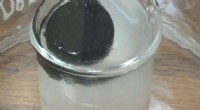
* Magnetic Separation: Separates magnetic solids from a mixture using a magnet. This is commonly used to separate iron filings from other materials.
* Centrifugation: Separates components of a mixture based on their density. The mixture is spun rapidly in a centrifuge, causing the denser components to settle at the bottom.
* Chromatography: Separates components of a mixture based on their different affinities for a stationary phase (like paper or silica gel) and a mobile phase (like a solvent). This technique is used to separate complex mixtures, such as pigments in ink or components of a plant extract.
Other Methods:
* Sieving: Separates solids of different sizes using a sieve.
* Handpicking: Separating components by picking them out by hand. This works well for mixtures with large, easily distinguishable components.
* Sublimation: Separates solids that sublimate (change directly from solid to gas) from other solids.
* Fractional Distillation: A more precise method of distillation used to separate liquids with very similar boiling points.
The choice of method depends on the specific mixture and the desired outcome.