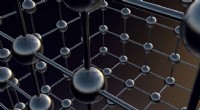
Conduction is the transfer of heat energy through direct contact between molecules. It's like a chain reaction, where energy is passed from one molecule to the next. Here's how it works:
1. Vibrations and Collisions: When a substance is heated, its molecules start vibrating faster. These vibrations are like tiny little "pushes" that transfer energy to neighboring molecules.
2. Direct Contact: The vibrating molecules collide with their neighbors, transferring some of their energy. These collisions cause the neighboring molecules to vibrate faster as well.
3. Energy Propagation: This process continues, with the energy moving through the material from the hotter region to the cooler region.
Think of it like this: Imagine a line of people holding hands. If the first person in line starts shaking their hand, the shaking motion will quickly spread down the line as each person transfers the motion to the next.
Factors Affecting Conduction:
* Material: Different materials conduct heat at different rates. Metals are excellent conductors, while materials like wood and plastic are poor conductors (good insulators). This is because the atoms in metals are tightly packed and can easily transfer energy, while those in insulators are further apart and have weaker bonds.
* Temperature Difference: The greater the temperature difference between two objects, the faster heat will transfer by conduction.
* Surface Area: A larger surface area allows for more contact points between molecules, leading to faster heat transfer.
* Thickness: Thicker materials offer more resistance to heat transfer.
Examples of Conduction:
* Heating a pan on a stove: The heat from the burner is transferred to the pan through conduction, causing the pan to heat up.
* Touching a hot stove: Heat from the stove is transferred to your hand through conduction, causing a burn.
* A metal spoon in hot soup: The spoon becomes hot because heat is conducted from the soup to the spoon.
In summary: Conduction is the transfer of heat through direct contact between molecules, and it's a fundamental process in our everyday world. It's the reason we feel the warmth of a fireplace, the heat of a hot pan, and the chill of a cold floor.