* Iron + Oxygen + Water → Iron Oxide (Rust)
Here's how it breaks down:
1. Iron (Fe) is a metallic element, typically shiny and solid.
2. Oxygen (O2) is a gas that makes up part of the air.
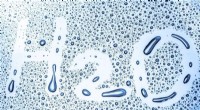
3. Water (H2O) is a liquid.
When iron reacts with oxygen and water, it undergoes a chemical reaction. This reaction forms a new compound called iron oxide (Fe2O3), which is the reddish-brown substance we know as rust.
Key reasons why rusting is a chemical change:
* New substance formed: Rust has a different chemical composition and properties than the original iron. It's brittle, flaky, and reddish-brown, unlike shiny, metallic iron.
* Irreversible process: Once iron rusts, it can't easily be reversed to pure iron. You need chemical processes to try and remove the rust.
* Energy change: The reaction between iron, oxygen, and water releases heat, indicating a chemical change.
In contrast, physical changes are temporary and do not involve the formation of new substances. Examples include:
* Melting ice (water changing state)
* Cutting a piece of paper (changing shape but not composition)
In summary: Rusting is a chemical change because it involves a chemical reaction that forms a new substance with different properties. This change is irreversible and involves an energy change.