Why Positive Charges are Sources:
* Electric Field Lines: Electric field lines originate from positive charges and point away from them. Imagine a positive charge like a water fountain, spraying out electric field lines like water jets.
* Flow of Charge: In a conventional current, positive charges are thought to flow from a higher potential (positive) to a lower potential (negative). Thus, a positive charge "sources" this flow of charge.
Why Negative Charges are Sinks:
* Electric Field Lines: Electric field lines terminate on negative charges. Think of a negative charge like a drain, pulling in electric field lines.
* Flow of Charge: Negative charges act as a "sink" because they attract the flow of positive charges, effectively "absorbing" them.
Important Considerations:
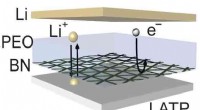
* Electrons are the True Carriers: In reality, electrons, which are negatively charged, are the primary carriers of electricity in most materials. So, while we often talk about the flow of positive charges, it's actually the movement of electrons that creates the current.
* Analogy Limitations: The source/sink analogy is useful for visualizing electric fields, but it's important to remember that charges are not physically flowing like water. They are stationary and create a field that affects other charges in the vicinity.
* Neutralization: In a balanced system, positive and negative charges ultimately balance each other, creating a net neutral charge.
In summary:
The terms "source" and "sink" are helpful analogies for understanding the behavior of electric fields originating from positive and negative charges, respectively. However, it's important to recognize the limitations of these analogies and understand the actual mechanisms involved in charge flow and electric fields.