1. Conduction
* Definition: Heat transfer through direct contact between substances at different temperatures.
* Mechanism: Energy is transferred via collisions between molecules. Hotter molecules vibrate more vigorously, transferring energy to cooler molecules.
* Examples:
* Touching a hot stove and feeling the heat.
* A metal spoon heating up in a hot cup of tea.
* Heat transfer through a solid wall.
* Best Conductors: Metals (due to free electrons)
* Best Insulators: Materials with tightly packed molecules and limited free electrons (like wood, plastic, and air)
2. Convection
* Definition: Heat transfer through the movement of fluids (liquids or gases).
* Mechanism: Warmer fluids become less dense and rise, while cooler fluids sink, creating a circular motion. This movement transfers heat.
* Examples:
* Boiling water in a pot (hot water rises, cooler water sinks).
* Air circulation in a room with a heater.
* Ocean currents.
* Types:
* Natural Convection: Driven by density differences (like boiling water).
* Forced Convection: Driven by external forces like fans or pumps (like a hairdryer).
3. Radiation
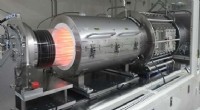
* Definition: Heat transfer through electromagnetic waves (like infrared radiation).
* Mechanism: No medium is required; heat travels through space or any transparent medium.
* Examples:
* Feeling the warmth of the sun.
* Heat from a fireplace radiating across the room.
* A microwave oven heating food.
* Factors Affecting Radiation:
* Temperature of the emitting object (higher temperature = more radiation).
* Surface properties (darker, rougher surfaces absorb and emit more radiation).
Key Differences in a Nutshell:
* Conduction: Requires direct contact, best in solids.
* Convection: Requires fluid movement, best in liquids and gases.
* Radiation: Doesn't require a medium, can occur in a vacuum.
Let me know if you would like more details on any of these methods!