Physical Changes
* Definition: Alterations in the form or appearance of a substance, but not its chemical composition.
* Key Features:
* No new substances are formed. The molecules remain the same.
* Changes are usually reversible. You can often get the original substance back.
* Often involve changes in state of matter: Solid to liquid (melting), liquid to gas (boiling), etc.
* No energy is released or absorbed (except for changes in state).
Examples of Physical Changes:
* Melting ice: Water (H2O) changes from solid to liquid, but it's still water.
* Boiling water: Water changes from liquid to gas, but it's still water.
* Crushing a rock: The rock is broken into smaller pieces, but it's still the same rock.
* Dissolving sugar in water: The sugar disappears, but it's still present in the water as sugar molecules.
* Cutting paper: The paper is divided into smaller pieces, but it's still paper.
Chemical Changes
* Definition: Changes that involve the formation of new substances with different chemical compositions.
* Key Features:
* New substances are formed. Atoms are rearranged to create different molecules.
* Changes are usually irreversible. You can't easily get the original substances back.
* Often involve energy changes: Heat, light, or sound may be released or absorbed.
Examples of Chemical Changes:
* Burning wood: Wood combines with oxygen to produce ash, carbon dioxide, and water. The wood is no longer wood.
* Rusting iron: Iron reacts with oxygen and water to form iron oxide (rust). Rust is a new substance with a different chemical composition.
* Baking a cake: The ingredients (flour, sugar, eggs, etc.) chemically react to form a new substance – cake.
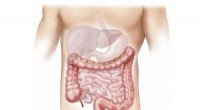
* Digesting food: Our bodies break down food molecules into smaller molecules that can be absorbed.
* Souring milk: Bacteria convert lactose in milk into lactic acid, changing the taste and properties of the milk.
In Summary:
Think of it this way: Physical changes are about rearranging the *arrangement* of molecules, while chemical changes are about changing the *composition* of the molecules themselves.