Best Shapes:
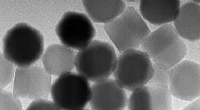
* Cube: This is the most common and accurate representation of a table salt (sodium chloride) crystal. Salt crystals naturally form in a cubic structure, with equal sides and 90-degree angles.
* Square: A square is a two-dimensional representation of a cube, often used for simplicity.
Other Shapes (with caveats):
* Diamond: While visually appealing, diamonds are not the true shape of salt crystals. They represent a different crystal system.
* Octahedron: This shape can appear in some salt crystals, but it's less common than the cube.
Things to Consider:
* Complexity: For simple visual representations, a square or cube might be best.
* Accuracy: If you need a highly accurate depiction, a cube is the most scientifically correct.
* Artistic Style: For art or design purposes, you might choose a shape that adds visual interest, even if it's not the most accurate.
Key Point: Salt crystals are not perfectly uniform cubes in nature. They can have slight variations and imperfections. So, don't be afraid to add some subtle irregularity to your representation for a more realistic touch.