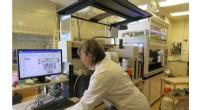
* Observing microscopic organisms: Bacteria, viruses, protozoa, algae, and other microorganisms are too small to see without magnification. Compound microscopes allow scientists to study their structure, behavior, and interactions.
* Examining cells and tissues: Researchers use compound microscopes to observe the detailed structures of cells, tissues, and organs. This helps them understand the fundamental building blocks of life and how they function.
* Analyzing materials: From fibers to crystals to metals, compound microscopes provide detailed information about the composition, structure, and properties of various materials. This is essential in fields like materials science, forensics, and quality control.
* Diagnosing diseases: In medical labs, compound microscopes are used to examine blood samples, tissue biopsies, and other specimens to identify pathogens and diagnose diseases.
* Research and development: Compound microscopes are crucial tools in research labs for investigating a wide range of biological, chemical, and physical phenomena at a microscopic level.
Here are some specific examples:
* A biologist might use a compound microscope to study the internal structure of a plant cell.
* A pathologist might use a compound microscope to examine a tissue sample for signs of cancer.
* A forensic scientist might use a compound microscope to analyze fibers found at a crime scene.
Overall, compound microscopes are versatile tools that play a significant role in many scientific disciplines. They enable us to explore the microscopic world and gain insights into its complexities, contributing to our understanding of nature and its applications.