* Nitrogen (N2): Around 78% of the air we breathe. It is essential for plant growth but not directly used by humans.
* Oxygen (O2): Around 21% of the air. It is vital for all living organisms, as we breathe it in to power our bodies.
* Argon (Ar): Around 0.93%. It's an inert gas, meaning it doesn't readily react with other substances.
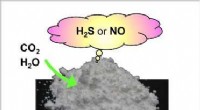
* Carbon dioxide (CO2): Around 0.04%. This is a greenhouse gas and is important for plant growth.
In addition to these major components, air also contains trace amounts of other gases:
* Neon (Ne)
* Helium (He)
* Krypton (Kr)
* Xenon (Xe)
* Hydrogen (H2)
* Methane (CH4)
* Ozone (O3)
* Water vapor (H2O) The amount of water vapor in the air varies greatly depending on location and weather conditions.
Air also contains:
* Dust particles: These are small particles of solid matter, such as dirt, pollen, and smoke.
* Pollutants: These can be gases or particles that are harmful to human health or the environment. Examples include carbon monoxide, sulfur dioxide, and particulate matter.
The composition of air can vary slightly depending on location, altitude, and other factors.