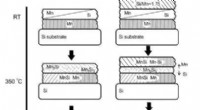
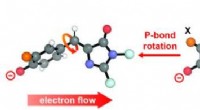
* Chemical bonds are broken and reformed: In a chemical change, the atoms within the original substances rearrange themselves. This involves breaking existing chemical bonds and forming new ones.
* New properties: The new substances created have different chemical and physical properties than the original substances. This is because the arrangement of atoms and the types of bonds have changed.
Examples of chemical changes:
* Burning wood: Wood (cellulose) reacts with oxygen, producing ash, carbon dioxide, and water.
* Baking a cake: Flour, sugar, eggs, and other ingredients react to form a new substance with different properties.
* Rusting: Iron reacts with oxygen and water to form iron oxide (rust), which has a different color and texture.
Key takeaway: A chemical change is fundamentally about rearranging atoms and forming new substances with distinct properties.