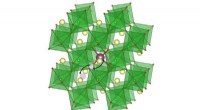
Here's a breakdown:
* Intermolecular forces: These are the attractive forces between molecules. In solids, these forces are strong and hold the molecules in a rigid, fixed structure. In liquids, these forces are weaker, allowing molecules to slide past each other.
* Freedom of movement: In solids, molecules are confined to specific locations, vibrating in place. In liquids, molecules can move around more freely, although they are still relatively close together.
This difference in intermolecular forces and molecular movement leads to the following key characteristics:
* Shape: Solids have a fixed shape, while liquids take the shape of their container.
* Compressibility: Solids are much less compressible than liquids. This is because the molecules in a solid are already packed tightly together, while there is more space between molecules in a liquid.
* Viscosity: Liquids have a lower viscosity than solids. Viscosity is a measure of a fluid's resistance to flow. The weaker intermolecular forces and greater freedom of movement in liquids allow them to flow more easily.
In summary: The weaker intermolecular forces and greater freedom of movement in liquids compared to solids make liquids more fluid.