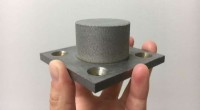
* The hole needs to be very precise in diameter. Reaming produces a highly accurate, smooth, and consistent hole.
* The hole needs to be perfectly round and straight. Reaming can correct minor imperfections and ensure the hole is true to its intended shape.
* The hole needs to be deburred. The reaming process removes any burrs or rough edges from the hole.
* The hole needs to be finished to a specific surface finish. Reaming can achieve a very fine surface finish, which can be critical for certain applications.
* The hole needs to be enlarged slightly. While reaming primarily creates holes to a specific size, it can also be used to enlarge existing holes that are slightly undersized.
Reaming is typically used after:
* Drilling: Reaming is often used after drilling to finish the hole to a precise size and surface finish.
* Boring: Reaming can be used to finish a hole that has been bored, especially if the hole needs to be very accurate.
Overall, reaming is a process used to achieve:
* High precision
* Smoothness
* Roundness
* Straightness
* Deburring
* Specific surface finish
It is a valuable process in various industries, including manufacturing, machining, and aerospace.