Understanding Ingredients:
* Chemistry: Science helps us understand the chemical composition of ingredients and how they interact.
* Acids and Bases: Knowing the pH of ingredients helps us balance flavors, like using lemon juice to brighten a dish or baking soda to tenderize meat.
* Proteins: We learn how different proteins react to heat (think about denaturing eggs when cooking) and how they combine with other ingredients (like gluten in bread dough).
* Fats: We understand how fats affect texture and flavor, from the crispness of frying to the richness of butter.
* Biology: Science explains the origins of ingredients and how they grow.
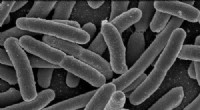
* Microbiology: Understanding the role of microorganisms helps us ferment foods like yogurt, kimchi, and sourdough.
* Botany: We learn about the best ways to store and cook different fruits and vegetables based on their natural properties.
Cooking Techniques:
* Heat Transfer: Science explains how heat moves through food, allowing us to cook food evenly.
* Conduction: Direct contact with a hot pan or oven transfers heat.
* Convection: Circulating air or liquid carries heat throughout the food.
* Radiation: Heat from a microwave or grill radiates onto the food.
* Food Safety: Scientific principles ensure the safety of our food.
* Pasteurization: Heating liquids to kill harmful bacteria.
* Food Preservation: Using techniques like pickling, canning, and freezing to extend shelf life.
* Culinary Innovation: Science helps us create new dishes and improve existing ones.
* Molecular Gastronomy: Applying scientific principles to create novel textures and flavors.
* Food Science Research: Ongoing research helps us understand how ingredients interact and how to cook better.
Examples of Science in Action:
* Why does bread rise? Yeast fermentation produces carbon dioxide, which expands the dough.
* Why does meat brown when cooked? The Maillard reaction, a chemical reaction between sugars and amino acids, creates browning and flavor.
* Why do eggs solidify when cooked? Heat denatures the protein in eggs, causing them to firm up.
* Why does salt help bread rise? Salt strengthens gluten, which helps the dough hold its shape.
In Conclusion:
Science isn't just about lab coats and microscopes; it's the foundation of delicious food. By understanding the science behind cooking, we can become more informed, creative, and successful in the kitchen.