Here's why:
* Naturally occurring ions: Rainwater does contain some ions, but these are primarily dissolved from the atmosphere during its formation. These can include:
* Hydrogen ions (H+) and Hydroxide ions (OH-): These are present in rainwater due to its slight acidity or alkalinity, depending on the surrounding environment.
* Carbon dioxide (CO2): This forms carbonic acid when dissolved in water, contributing to the acidity of rainwater.
* Other ions: These include sulfates (SO42-), nitrates (NO3-), and chlorides (Cl-), which come from various sources like volcanic activity, industrial emissions, and agricultural runoff.
* Low ion concentration: Compared to "ionized water" produced for specific purposes, the ion concentration in rainwater is very low. This is why it is considered relatively pure water.
* Not a deliberate process: The presence of ions in rainwater is a natural process, not a result of deliberate ionization like in water treatment plants.
However, it's important to note:
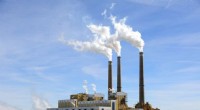
* Acid rain: While the ion concentration in rainwater is usually low, in cases of acid rain, the concentration of hydrogen ions (H+) is significantly higher due to atmospheric pollution. This can cause environmental damage.
* Ionization during the rain process: While rainwater itself isn't intentionally ionized, the process of rain formation itself involves some level of ion exchange. This happens as raindrops collide with atmospheric particles and gases, leading to a transfer of ions.
In summary, while rainwater contains some naturally occurring ions, it is not considered "ionized water" in the conventional sense. However, its ion content can be affected by environmental factors like pollution, and the rain formation process itself involves some degree of ion exchange.