1. Chlorophyll (the most likely pigment)
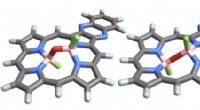
* Scenario: If the test tube contains a solution of chlorophyll, the green color will likely fade or disappear when placed in boiling water.
* Why? Chlorophyll is sensitive to heat. Boiling water will denature the chlorophyll molecule, causing it to lose its ability to absorb light in the red and blue wavelengths, which is what gives it its green color.
2. Other Pigments:
* Scenario: There are many other green pigments, like synthetic dyes or pigments from plants and minerals. Their behavior in boiling water will vary widely.
* Why? Some green pigments might be heat-resistant and maintain their color. Others might react with water in unpredictable ways, changing color or even becoming cloudy.
To give you a more accurate answer, I need more information about the green pigment in the test tube. Tell me:
* What is the source of the green pigment? (Is it a plant, a synthetic dye, something else?)
* Is it dissolved in a liquid? (If so, what liquid?)
* Is there anything else in the test tube besides the pigment? (This could affect the reaction to heat)
Once I have that information, I can tell you more specifically what happens to the green pigment in boiling water.