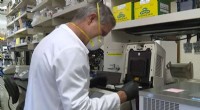
Practical Applications:
* Food and Beverage: Think about separating the coffee grounds from the brewed coffee, or removing the seeds from strawberries before making jam. These processes improve the quality and enjoyment of the final product.
* Industrial Processes: Separating mixtures is crucial in many industries like mining (separating valuable minerals from ore), recycling (separating different materials), and chemical production (purifying chemicals).
* Environmental Protection: Removing pollutants or unwanted materials from water or air is vital for environmental health.
* Medical and Pharmaceutical: Separating components of blood (plasma, red blood cells, etc.) or purifying medications are important for diagnosis and treatment.
Scientific Research and Analysis:
* Chemistry: Separating mixtures allows scientists to study individual components, determine their properties, and perform chemical reactions.
* Biology: Separating cells or organelles allows scientists to study their functions and interactions.
* Environmental science: Isolating specific pollutants from environmental samples helps scientists understand their sources and impacts.
Other Reasons:
* Safety: Separating flammable or toxic substances from other materials can prevent accidents and hazards.
* Aesthetics: Separating dirt, debris, or impurities from a mixture can improve its appearance.
* Convenience: Separating a mixture can make it easier to handle, store, or use.
Ultimately, the reason for separating a mechanical mixture depends on the specific application and the desired outcome.