1. Physical Objects:
* Plastic: Plastic bags, bottles, straws, and other plastic debris can end up in waterways, where they can take hundreds of years to decompose, harming marine life and ecosystems.
* Metal: Cans, scrap metal, and other metal objects can rust and release harmful chemicals into the water, also posing a risk to wildlife.
* Tires: Old tires can be dumped in water bodies, creating breeding grounds for mosquitoes and affecting water flow.
* Construction debris: Debris from construction sites, such as concrete, wood, and metal, can clog waterways and harm aquatic life.
2. Chemical Substances:
* Industrial waste: Factories and industries often discharge wastewater containing chemicals, heavy metals, and other pollutants.
* Agricultural runoff: Runoff from farms can carry fertilizers, pesticides, and animal waste into waterways, leading to nutrient pollution and algal blooms.
* Sewage: Untreated sewage can release bacteria, viruses, and other harmful pathogens into water.
* Pharmaceuticals: Drugs and their byproducts can enter waterways through wastewater treatment plants and industrial processes.
3. Biological Materials:
* Animal waste: Animal waste from livestock farms and pet waste can contaminate water sources with bacteria and other pathogens.
* Algae blooms: Excessive nutrients from fertilizers and sewage can cause algal blooms, which can deplete oxygen levels and harm aquatic life.
* Oil spills: Oil spills from tankers or offshore drilling can devastate marine ecosystems and contaminate water sources.
4. Other pollutants:
* Sediment: Erosion from land development and agriculture can release sediment into waterways, blocking sunlight and harming aquatic life.
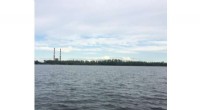
* Heat pollution: Discharge of heated water from power plants and other industrial facilities can raise water temperatures and harm aquatic organisms.
* Noise pollution: Noise from boats, construction, and other activities can disrupt the behavior of marine animals.
It's important to note that even seemingly small objects can have a significant impact on water quality. Every effort to reduce pollution and protect our water resources is crucial.