1. Hydroxyl radical (•OH):
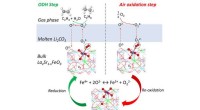
* Highly reactive species formed in various biological processes and environmental reactions.
* Plays a crucial role in oxidation reactions, both beneficial and harmful.
* Can damage cells and contribute to aging and disease.
2. Superoxide radical (O2•-)
* A reactive oxygen species produced in mitochondria during cellular respiration.
* Can cause oxidative stress and contribute to inflammation and aging.
3. Alkyl radicals
* Radicals derived from alkanes with a carbon atom bearing an unpaired electron.
* Highly reactive and involved in various chemical reactions, including polymerization and combustion.
4. Free radicals in polymer chemistry:
* Initiate chain reactions in polymerization, leading to the formation of long chains of polymer molecules.
5. Free radicals in organic chemistry:
* Used as intermediates in various reactions, such as halogenation, oxidation, and addition reactions.
It's important to note:
* While radicals are often associated with damage and instability, they also play crucial roles in various biological and chemical processes.
* The term "radical" can also be used in a broader sense to refer to innovative ideas or approaches in scientific research.