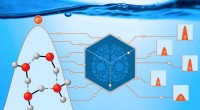
* Change in chemical composition: When wood burns, it reacts with oxygen in the air. This reaction breaks down the complex molecules in wood (cellulose, lignin) into simpler molecules like carbon dioxide, water, and ash. The original wood is no longer present, it has transformed into new substances.
* Release of energy: The chemical reaction releases energy in the form of heat and light. This energy was stored within the bonds of the wood's molecules.
* Irreversibility: You can't easily reverse the burning process to get back the original wood.
Physical reactions involve changes in the state or appearance of a substance, but not its chemical composition. Examples include melting ice, boiling water, or crushing a rock.
Since burning wood involves a change in chemical composition and the release of energy, it is classified as a chemical reaction.