Here's a breakdown:
* Chemical Reactions: These involve the breaking and forming of chemical bonds. Some reactions happen quickly, while others take a very long time.
* Activation Energy: This is the minimum amount of energy that reactants need to have in order to start a reaction.
* Catalyst's Role: A catalyst lowers the activation energy by providing an alternative route for the reaction to proceed. This means the reaction can happen faster at a given temperature.
Key Features of Catalysts:
* Not Consumed: A catalyst is not used up in the reaction; it can be recovered and reused.
* Specific: Catalysts are often specific to a particular reaction or a type of reaction.
* Can be Homogeneous or Heterogeneous:
* Homogeneous catalysts: Exist in the same phase (solid, liquid, or gas) as the reactants.
* Heterogeneous catalysts: Exist in a different phase than the reactants (e.g., a solid catalyst in a liquid reaction).
Examples of Catalysts:
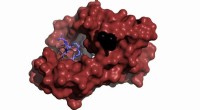
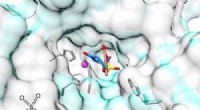
* Enzymes: Biological catalysts that facilitate biochemical reactions within living organisms.
* Platinum: Used in catalytic converters in cars to convert harmful pollutants into less harmful substances.
* Nickel: Used in the hydrogenation of vegetable oils to produce margarine.
Importance of Catalysts:
* Industrial Processes: Catalysts are crucial in many industrial processes, such as the production of plastics, fertilizers, and fuels.
* Environmental Protection: Catalysts are used in pollution control devices to reduce harmful emissions.
* Medical Applications: Catalysts are used in drug development and synthesis.
In summary, a catalyst is a powerful tool that can significantly alter the rate of chemical reactions without being consumed in the process. They play a vital role in many industries and scientific disciplines.