The Chemical Change:
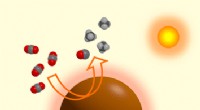
* Fermentation: Yeast is a single-celled fungus that feeds on sugars (like those in flour). In the process of breaking down these sugars, it produces carbon dioxide (CO2) and alcohol (ethanol). This process is called fermentation.
The Physical Change:
* Expansion: The CO2 gas produced by the yeast gets trapped within the dough's structure, which is made up of gluten (a protein formed from flour and water). The trapped gas creates tiny bubbles within the dough.
* Rising: As the CO2 bubbles expand, they push the dough outward, causing it to rise. The gluten network provides structure and elasticity, allowing the dough to stretch without tearing.
In Summary:
* Chemical: The yeast's fermentation of sugars is a chemical reaction that produces CO2.
* Physical: The trapped CO2 causes the dough to expand (rise) due to the pressure it exerts.
Here's an example:
Imagine you're blowing up a balloon.
* Chemical Change: You don't chemically alter the air you're blowing into the balloon; it's still the same air.
* Physical Change: You're physically changing the air by increasing its volume inside the balloon, causing the balloon to expand.
Similarly, in bread, the yeast's fermentation is the chemical change that produces CO2, and the expansion of the dough due to trapped CO2 is a physical change.