Here's a breakdown:
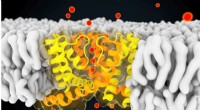
1. Light Absorption: Chlorophyll and other pigments in the thylakoid membrane of chloroplasts absorb light energy.
2. Electron Excitation: This light energy excites electrons within the chlorophyll molecules.
3. Electron Transport Chain: The excited electrons are passed along an electron transport chain, releasing energy.
4. ATP Production: This energy is used to generate ATP (adenosine triphosphate), the energy currency of cells.
5. NADPH Production: The electrons also contribute to the reduction of NADP+ to NADPH, a reducing agent used in the next stage of photosynthesis.
In essence, the light-dependent reaction is the process of converting light energy into chemical energy that can be used by the plant.