Jewelry:
* Durability and beauty: Platinum's high melting point, resistance to corrosion, and hypoallergenic nature make it a desirable metal for jewelry, especially engagement rings.
* Prestige: Platinum is often associated with luxury and exclusivity, making it a symbol of commitment and wealth.
Industrial applications:
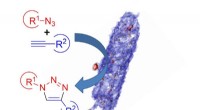
* Catalysts: Platinum is an excellent catalyst, used in various chemical processes like oil refining, automotive exhaust systems, and the production of nitric acid.
* Electrical contacts: Its high conductivity and resistance to oxidation make it ideal for electrical contacts in electronics and aerospace components.
* Medical devices: Platinum is used in medical implants and devices due to its biocompatibility and resistance to corrosion.
* Dental fillings and crowns: Its durability and inertness make it suitable for dental restorations.
* Laboratory equipment: Platinum is used in crucibles, electrodes, and other lab equipment due to its high melting point and resistance to chemical attack.
Other uses:
* Investments: Platinum is considered a safe-haven asset, similar to gold, and can be traded as bullion or coins.
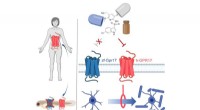
* Anti-cancer drugs: Platinum-based drugs like cisplatin are used in chemotherapy treatments.
* Glassmaking: Platinum is used in the manufacturing of high-quality glass, such as optical lenses and laboratory glassware.
Environmental concerns:
* Mining: Platinum mining can have environmental impacts, including habitat destruction and pollution.
* Recycling: Recycling platinum is crucial to reducing its environmental footprint.
Overall, platinum is a versatile metal with significant applications in various industries. Its unique properties contribute to its value in jewelry, industrial processes, medical devices, and other fields.