Natural Processes:
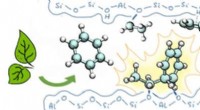
* Photosynthesis: Plants use sunlight, water, and carbon dioxide to produce glucose (sugar) and oxygen. This happens in leaves and other green parts of plants.
* Respiration: Animals and plants breathe in oxygen and use it to break down glucose, releasing energy and producing carbon dioxide and water. This is the opposite of photosynthesis.
* Combustion: Burning fuels like wood, gas, or oil involves a rapid reaction with oxygen to release energy as heat and light. This powers cars, power plants, and many other things.
* Rusting: Iron reacts with oxygen and water to form iron oxide, commonly known as rust. This is a slow process but leads to the deterioration of metal structures.
* Weathering: Rocks and minerals break down over time due to reactions with water, air, and other substances. This creates soil and changes the landscape.
Industrial Processes:
* Manufacturing: Many industrial processes rely on chemical reactions to create new products. Examples include making plastics, fertilizers, pharmaceuticals, and countless other materials.
* Oil refining: Crude oil is processed through various chemical reactions to separate it into gasoline, diesel, kerosene, and other useful products.
* Metal production: Metals like iron and aluminum are extracted from ores through chemical reactions.
* Wastewater treatment: Chemical reactions are used to purify wastewater, removing contaminants and making it safe to release back into the environment.
Other examples:
* Acid rain: Sulfur dioxide and nitrogen oxides from burning fossil fuels react with water in the atmosphere to form sulfuric acid and nitric acid, which fall to the ground as acid rain.
* Ozone depletion: Chlorofluorocarbons (CFCs) released from refrigerants and other products react with ozone in the stratosphere, destroying the ozone layer that protects us from harmful ultraviolet radiation.
* Nuclear reactions: Nuclear power plants use controlled nuclear reactions to generate electricity. These involve the splitting of atoms, releasing enormous amounts of energy.
These are just a few examples of the many chemical reactions happening outside the home. The world around us is constantly changing through chemical processes, shaping the environment, driving industry, and impacting our lives.