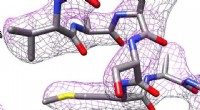
* Chemical Change: Involves the formation of new substances with different properties. The proteins in the lobster's shell and flesh change their structure due to the heat, causing a color change.
* Physical Change: Involves a change in the form or appearance of a substance but not its chemical composition. Examples include melting ice (water remains water) or breaking a glass (glass remains glass).
Why the color change?
The blue pigment in a lobster's shell is a protein called astaxanthin. This pigment is bound to another protein, which masks its red color. When the lobster is cooked, the heat breaks down the masking protein, revealing the astaxanthin's true red color.