Hydroxyl Group (OH)
* Structure: A single oxygen atom bonded to a hydrogen atom (O-H).
* Functionality:
* Polar: The oxygen atom is highly electronegative, making the bond polar and giving the hydroxyl group a slight negative charge.
* Hydrogen Bonding: Can form hydrogen bonds with other molecules, influencing solubility and properties like boiling point.
* Reactivity: Can be involved in reactions like dehydration (loss of water) and esterification.
* Found in: Alcohols, sugars, and many other organic molecules.
Carboxyl Group (COOH)
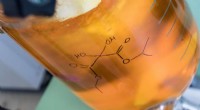
* Structure: A carbon atom double-bonded to an oxygen atom and also single-bonded to a hydroxyl group (-OH).
* Functionality:
* Acidic: The carboxyl group is acidic due to the hydrogen atom being readily ionizable.
* Polar: The presence of the double bond and oxygen atoms makes the carboxyl group highly polar.
* Hydrogen Bonding: Forms hydrogen bonds with water and other polar molecules, affecting solubility.
* Reactivity: Can participate in reactions like protonation (gaining a proton), esterification, and amide formation.
* Found in: Carboxylic acids, amino acids, and many other biologically important molecules.
Key Differences
* Structure: A carboxyl group contains a carbonyl group (C=O) in addition to the hydroxyl group.
* Acidity: Carboxyl groups are acidic, while hydroxyl groups are not.
* Functionality: Carboxyl groups are involved in a wider range of reactions, particularly those related to acid-base chemistry.
In Summary:
Both hydroxyl and carboxyl groups are important functional groups in organic chemistry. They differ primarily in their structure, with carboxyl groups containing an additional carbonyl group. This structural difference leads to distinct properties, particularly in terms of acidity and reactivity.