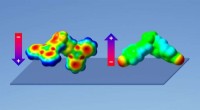
* Solid to Liquid (Melting): When you add heat to a solid, the particles gain energy and start to vibrate more. At a certain temperature, the vibrations become strong enough to break the rigid structure of the solid, causing it to melt into a liquid.
* Liquid to Gas (Boiling/Evaporation): As you continue adding heat to a liquid, the particles gain even more energy and move faster. Eventually, they have enough energy to overcome the attractive forces holding them together in the liquid state, and they escape into the air as a gas.
In short: Heat provides the energy needed for the particles in a substance to change their state of matter.