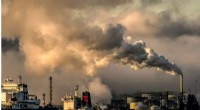
Climate Change:
* Rising Global Temperatures: CO2 is a greenhouse gas, trapping heat in the atmosphere and causing global temperatures to rise. This leads to more extreme weather events, melting glaciers and ice sheets, and rising sea levels.
* Ocean Acidification: The ocean absorbs a significant amount of CO2, leading to increased acidity. This acidification threatens marine ecosystems and the livelihoods of people who depend on them.
* Changes in Precipitation Patterns: Climate change is altering precipitation patterns, leading to more frequent and intense droughts and floods.
* Impacts on Agriculture: Changing temperatures and precipitation patterns can affect crop yields and increase the risk of crop failure.
* Sea Level Rise: Melting glaciers and ice sheets contribute to rising sea levels, threatening coastal communities and infrastructure.
Environmental Impacts:
* Loss of Biodiversity: Climate change and habitat loss due to human activities are causing a decline in biodiversity, threatening the balance of ecosystems.
* Increased Risk of Wildfires: Higher temperatures and drier conditions increase the risk of wildfires, which can cause significant damage to ecosystems and human communities.
* Health Impacts: Extreme heat can lead to heatstroke, respiratory problems, and other health issues.
* Impacts on Human Security: Climate change can contribute to conflict and displacement as people flee areas affected by drought, floods, or other climate-related disasters.
Economic Impacts:
* Cost of Climate Change Adaptation: Countries will need to invest significant resources to adapt to the effects of climate change, such as building seawalls and developing new agricultural practices.
* Damage from Extreme Weather Events: Extreme weather events, such as hurricanes and floods, can cause billions of dollars in damage to infrastructure and property.
* Impacts on Tourism: Climate change can impact tourism destinations, such as coastal areas that are threatened by sea level rise.
It's important to note that:
* These impacts are not evenly distributed, and some communities are more vulnerable to climate change than others.
* The effects of climate change are already being felt, and they will continue to worsen if we don't take action to reduce greenhouse gas emissions.
To address the increase of CO2 and its impacts, we need to:
* Reduce greenhouse gas emissions: This can be done by transitioning to renewable energy sources, improving energy efficiency, and implementing sustainable practices.
* Adapt to the effects of climate change: This involves implementing measures to mitigate the impacts of climate change, such as building seawalls and developing drought-resistant crops.
* Invest in climate change research: This is crucial to understanding the science of climate change and developing effective solutions.
By taking action now, we can mitigate the worst effects of climate change and build a more sustainable future.