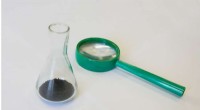
1. Surface Area: A larger surface area of the solute allows for greater contact with the solvent, leading to faster dissolution. Imagine dissolving a sugar cube versus granulated sugar – the granulated sugar dissolves faster because it has more surface area exposed to the solvent.
2. Agitation: Stirring or shaking the solution increases the rate of dissolution. This is because it helps to bring fresh solvent into contact with the solute and it also prevents the formation of a saturated layer around the solute.
3. Temperature: Generally, increasing the temperature increases the rate of dissolution. This is because higher temperatures increase the kinetic energy of both the solute and solvent molecules, leading to more frequent and energetic collisions. This, in turn, breaks apart the solute particles more effectively and speeds up the dissolving process.