1. Electrolysis: This is the most common method. Passing an electric current through water separates it into its constituent elements, hydrogen (H₂) and oxygen (O₂). This process is used to produce hydrogen gas.
2. Thermal Decomposition: Heating water to very high temperatures (above 2000°C) can break the bonds between hydrogen and oxygen, resulting in their separation. This is not a practical method due to the extreme temperatures required.
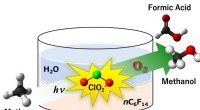
3. Photolysis: Using high-energy photons (like those from ultraviolet light) can break the bonds in water molecules, leading to the formation of hydrogen and oxygen. This method is used in some research applications.
4. Chemical Reactions: Certain chemicals, like sodium metal (Na) or lithium metal (Li), react vigorously with water to produce hydrogen gas and the corresponding metal hydroxide.
5. Radiation: High-energy radiation, such as gamma rays or X-rays, can also break the bonds in water molecules, leading to decomposition.
In summary, the decomposition of water can be achieved through electrolysis, thermal decomposition, photolysis, chemical reactions, and radiation.