1. What is Vapor Pressure?
* Vapor pressure is the pressure exerted by the vapor of a liquid when it's in equilibrium with its liquid phase. In simpler terms, it's a measure of how much of the liquid wants to escape into the gas phase.
2. Nonvolatile Solutes
* A nonvolatile solute is a substance that does not readily evaporate. It has a very low vapor pressure compared to the solvent.
3. The Effect of the Solute
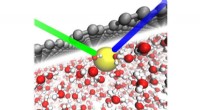
* When a nonvolatile solute is dissolved in a solvent, it disrupts the solvent molecules at the surface. The solute molecules occupy space at the surface, making it harder for the solvent molecules to escape into the gas phase.
* This disruption reduces the number of solvent molecules that can contribute to the vapor pressure.
4. Raoult's Law
* Raoult's Law describes this phenomenon mathematically. It states that the vapor pressure of a solution is equal to the mole fraction of the solvent multiplied by the vapor pressure of the pure solvent:
* Psolution = Xsolvent * Psolvent
* Where:
* Psolution is the vapor pressure of the solution
* Xsolvent is the mole fraction of the solvent in the solution
* Psolvent is the vapor pressure of the pure solvent
* Since the mole fraction of the solvent (Xsolvent) is always less than 1 when a solute is present, the vapor pressure of the solution (Psolution) will be lower than the vapor pressure of the pure solvent (Psolvent).
Example:
* Imagine adding salt to water. The salt doesn't evaporate, but it takes up space at the water's surface. This makes it harder for water molecules to escape into the air, resulting in a lower vapor pressure for the salt water solution compared to pure water.
In Summary
The presence of a nonvolatile solute reduces the vapor pressure of a solution because it blocks solvent molecules at the surface, preventing them from readily escaping into the gas phase. This effect is directly related to the concentration of the solute in the solution.