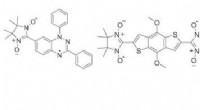
However, here are some terms that could be used to describe them, depending on the specific context:
General terms:
* Nitrogenous compounds: This is the most general term and simply refers to any compound containing nitrogen.
* Nitrogen-containing biomolecules: This term is a little more specific and emphasizes the biological relevance of these compounds.
More specific terms:
* Neurotransmitters: These are nitrogen-containing compounds that act as chemical messengers in the nervous system. Examples include acetylcholine, dopamine, serotonin, and norepinephrine.
* Amino acids: These are the building blocks of proteins and are essential for many biological processes. They all contain nitrogen.
* Nucleotides: These are the building blocks of DNA and RNA and also contain nitrogen.
* Hormones: Many hormones, such as adrenaline and thyroid hormones, contain nitrogen.
* Alkaloids: These are nitrogen-containing compounds produced by plants and often have pharmacological activity. Examples include caffeine, nicotine, and morphine.
Other considerations:
* You might need to be more specific about the function of the compound (e.g., signaling molecules, structural components, etc.).
* You might also need to consider the organism in question (e.g., human, plant, bacteria).
In conclusion, the most accurate term for physiologically active nitrogen-containing compounds depends on the specific context and the specific compounds you're referring to.