Structure:
* Shape and Geometry: The three-dimensional arrangement of atoms in a molecule. This includes bond angles, bond lengths, and the overall shape (e.g., linear, bent, tetrahedral).
* Functional Groups: Specific groups of atoms within a molecule that contribute to its chemical reactivity. Examples include hydroxyl groups (-OH), carboxyl groups (-COOH), and amino groups (-NH2).
* Chirality: Some molecules exist as mirror images of each other (enantiomers). These mirror images can have drastically different biological effects.
Function:
* Biological Activity: How a molecule interacts with other molecules, such as enzymes, receptors, or DNA. This interaction depends on the molecule's shape and the presence of specific functional groups.
* Chemical Reactivity: The tendency of a molecule to undergo chemical reactions. This is influenced by the functional groups present and the molecule's overall shape.
* Physical Properties: Properties like melting point, boiling point, and solubility are determined by the molecule's structure.
Examples:
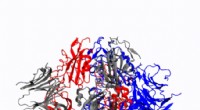
* Enzymes: Enzymes are proteins with specific shapes that allow them to bind to specific molecules called substrates. The active site of the enzyme, a region with specific functional groups, facilitates the chemical reaction.
* DNA: The double helix structure of DNA allows for the storage and replication of genetic information. The sequence of bases (adenine, thymine, cytosine, and guanine) within the DNA molecule determines the genetic code.
* Hormones: Steroid hormones, like testosterone, have a specific shape that allows them to bind to specific receptors on target cells, triggering a cascade of cellular responses.
Implications:
* Understanding the structure-function relationship is crucial in drug development, as it allows scientists to design drugs that specifically target a particular molecule.
* This principle also helps explain the diverse roles of molecules in biological systems, from catalyzing reactions to transmitting signals.
In summary, the structure of a molecule defines its function. By understanding the intricate relationship between a molecule's shape, its functional groups, and its chemical reactivity, we gain valuable insights into the complex world of biology and chemistry.