* Ionic Bond: Sodium chloride (NaCl) is an ionic compound. This means that sodium (Na) has donated an electron to chlorine (Cl), creating positively charged sodium ions (Na+) and negatively charged chloride ions (Cl-). These ions are held together by a strong electrostatic attraction.
* Electrolysis: The only way to separate sodium and chlorine is through a process called electrolysis. Here's how it works:
1. Melting: Sodium chloride needs to be melted. This breaks down the crystal lattice structure and allows the ions to move freely.
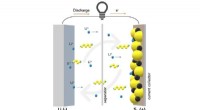
2. Electrodes: Two electrodes are submerged in the molten salt. One electrode is connected to the positive terminal of a power source (anode), and the other to the negative terminal (cathode).
3. Electron Flow: When electricity is passed through the molten salt, the positively charged sodium ions are attracted to the cathode (negative electrode) and gain electrons, becoming neutral sodium atoms. The negatively charged chloride ions are attracted to the anode (positive electrode) and lose electrons, becoming neutral chlorine atoms.
4. Collection: The sodium metal is collected at the cathode, and the chlorine gas is collected at the anode.
Important Note: This process requires a significant amount of energy and is usually conducted in specialized industrial settings due to the highly reactive nature of both sodium and chlorine.