1. Starting Material: It begins with liquid vegetable oils like soybean oil, cottonseed oil, or sunflower oil.
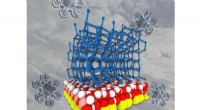
2. Hydrogenation: The oil is reacted with hydrogen gas in the presence of a catalyst (usually nickel) at high temperatures and pressure. This process adds hydrogen atoms to the unsaturated fatty acids in the oil, transforming them into saturated fatty acids.
3. Solid Fat Formation: The addition of hydrogen changes the oil's structure, making it solidify at room temperature. This solid fat is vanaspati.
Key points about vanaspati:
* Health Concerns: While once considered a healthier alternative to animal ghee, vanaspati has been linked to health concerns due to the presence of trans fats. Trans fats are created during hydrogenation and are considered unhealthy, contributing to an increased risk of heart disease.
* Modern Production: Modern vanaspati production often focuses on reducing or eliminating trans fat content by employing different hydrogenation techniques.
* Flavor and Use: It has a neutral flavor and a high melting point, making it useful for cooking, frying, and baking.
It's important to note that the specific ingredients and processes used in vanaspati production can vary depending on the manufacturer.