Common Examples:
* Aerosol Cans: These contain gases like compressed air or propellants to push out the product.
* Tire Inflation: Car and bicycle tires are filled with air under pressure.
* Scuba Diving Tanks: Scuba divers carry tanks of compressed air to breathe underwater.
* Propane Tanks: Propane is stored under pressure in tanks for use in grills, stoves, and heating systems.
* Oxygen Tanks: Medical oxygen is delivered in pressurized tanks.
* Fire Extinguishers: Fire extinguishers contain pressurized gases that help release the extinguishing agent.
* Soda Bottles: Carbon dioxide gas is dissolved in soda under pressure, creating the fizz.
* Hairspray: Propellants like butane or propane are used to push out the hairspray.
* Whipped Cream Cans: Nitrous oxide is used to create whipped cream from cream under pressure.
Industrial Examples:
* Natural Gas Pipelines: Natural gas is transported through pipelines under high pressure.
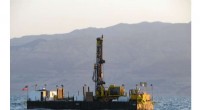
* Petroleum Refineries: Various gases are used and stored under pressure in refining processes.
* Chemical Plants: Many chemical processes involve gases under pressure for reactions and storage.
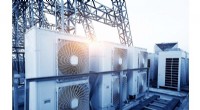
* Compressed Air Systems: Compressed air is used in various industrial applications, like tools and machinery.
Natural Phenomena:
* Volcanoes: Volcanic eruptions involve the release of gases under pressure.
* Natural Gas Deposits: Natural gas is found underground under pressure.
* Geothermal Wells: Hot water and steam under pressure are tapped for geothermal energy production.
Important Note: It's crucial to handle gas under pressure with caution. High pressure can be dangerous and can cause explosions or other injuries if not handled properly. Always follow safety guidelines and regulations when working with pressurized gas.