1. Inertness:
* Noble gases are extremely unreactive due to their full outer electron shells. This means they don't readily form chemical bonds with other substances, making them ideal for protecting delicate materials.
* They won't react with the document's ink, paper, or any other components, preventing degradation or discoloration over time.
2. Non-corrosive:
* Unlike air, which contains oxygen and moisture that can cause oxidation and corrosion, noble gases are non-corrosive.
* This helps to preserve the physical integrity of the document, preventing damage to its surface or structure.
3. Protection from harmful elements:
* Noble gases can be used to displace oxygen and moisture from the storage environment, which can cause damage to documents.
* This is especially important for documents that are sensitive to light or humidity.
4. Stability:
* Noble gases are extremely stable, meaning they don't readily change their chemical composition.
* This ensures that the storage environment remains consistent and does not introduce any potentially harmful substances.
5. Examples:
* Argon: Commonly used for archival storage as it's relatively inexpensive and readily available.
* Helium: Often used for preserving delicate documents and artifacts due to its high inertness.
How it works:
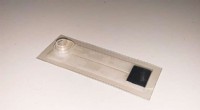
* The document is typically placed inside an airtight container, and the air is evacuated.
* Then, the container is filled with a noble gas, such as argon or helium.
* This creates an inert atmosphere that protects the document from the damaging effects of oxygen, moisture, and other contaminants.
In conclusion, noble gases offer an effective and reliable method for preserving valuable documents by providing a chemically inert, non-corrosive, and stable environment that prevents degradation and damage over time.