Crystalline Atorvastatin:
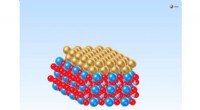
* Structure: Molecules are arranged in a highly ordered, repeating pattern, forming a lattice.
* Melting Point: Higher melting point compared to amorphous form.
* Solubility: Generally less soluble in common solvents compared to amorphous form.
* Stability: More stable and less prone to degradation over time.
* Bioavailability: May have lower bioavailability due to reduced solubility.
* Physical Appearance: Typically appears as a white powder or crystals.
Amorphous Atorvastatin:
* Structure: Molecules are arranged randomly, lacking a defined structure.
* Melting Point: Lower melting point compared to crystalline form.
* Solubility: Generally more soluble in common solvents compared to crystalline form.
* Stability: Less stable and more prone to degradation over time.
* Bioavailability: May have higher bioavailability due to improved solubility.
* Physical Appearance: Typically appears as a glassy or gum-like solid.
Key Implications:
* Solubility and Bioavailability: The enhanced solubility of amorphous atorvastatin can lead to faster absorption and better bioavailability compared to the crystalline form. This is crucial for achieving optimal therapeutic effects.
* Stability and Shelf Life: Crystalline atorvastatin generally exhibits better stability, meaning it is less likely to degrade or lose its potency over time. Amorphous forms are prone to degradation and may require special storage conditions to maintain their quality.
* Formulation Considerations: The choice between crystalline and amorphous atorvastatin depends on the desired properties of the final pharmaceutical product. For example, amorphous forms are preferred when fast drug release and high bioavailability are critical.
Note:
* The specific properties of crystalline and amorphous atorvastatin can vary depending on the specific preparation method and other factors.
* Pharmaceutical companies carefully analyze and optimize the form of atorvastatin used in their products to ensure optimal efficacy and safety.
Conclusion:
While both forms of atorvastatin are effective cholesterol-lowering agents, their different physical properties have significant implications for their solubility, stability, and bioavailability. This understanding is essential for designing and formulating safe and effective pharmaceutical products.