Proteins:
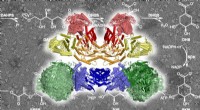
* Melittin: This is the most abundant component, responsible for the pain and inflammation caused by bee stings. It disrupts cell membranes and has anti-inflammatory effects.
* Phospholipase A2: This enzyme breaks down phospholipids in cell membranes, contributing to inflammation and tissue damage.
* Hyaluronidase: This enzyme breaks down hyaluronic acid, a component of connective tissue, aiding the venom's spread.
* Apamin: This neurotoxin blocks potassium channels in nerve cells, causing muscle spasms.
* Mast cell degranulating peptide (MCD-peptide): This peptide triggers the release of histamine from mast cells, contributing to inflammation.
Other Components:
* Histamine: This amine is responsible for allergic reactions and inflammation.
* Dopamine: A neurotransmitter that plays a role in various bodily functions.
* Adenosine: A nucleoside with various physiological effects.
* Enzymes: Proteases, esterases, and others.
* Amino acids: Glutamic acid, aspartic acid, etc.
The exact composition of apitoxin can vary slightly depending on factors like the bee species, geographical location, and season.
It's important to note that apitoxin is a potent substance that can cause serious allergic reactions in some individuals. It should only be used under the supervision of a qualified healthcare professional.