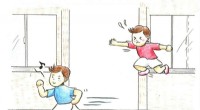
1. Stay Calm & Assess the Situation:
* Do not panic. Take a moment to assess the situation and the type of chemical spilled.
* If you are unsure what the chemical is, do not touch it.
* Identify the severity: How much spilled? Is it a large or small spill?
* Check for hazards: Is it flammable, corrosive, or toxic?
2. Alert Someone Immediately:
* Inform your teacher or lab instructor immediately.
* If they are not available, call for help (e.g., school nurse, security, emergency services).
* Follow your school's specific emergency procedures.
3. Evacuate and Secure the Area:
* If necessary, evacuate the area.
* Close doors and windows to prevent the spread of fumes.
* Do not touch the spill or attempt to clean it yourself.
4. Provide Information:
* Provide as much information as possible to the person you alert, including:
* The type of chemical
* The location of the spill
* The severity of the spill
* Any injuries or potential exposure to the chemical
5. Follow Instructions:
* Wait for instructions from your teacher, lab instructor, or emergency personnel.
* Do not attempt to clean up the spill unless you are specifically instructed to do so and provided with the necessary safety equipment.
Additional Safety Tips:
* Always wear appropriate safety gear (e.g., lab coat, gloves, goggles) in the lab.
* Know the location of safety equipment (e.g., eyewash station, safety shower, fire extinguisher).
* Familiarize yourself with your school's chemical spill procedures.
* Be aware of the hazards of the chemicals you are working with.
Remember, safety is always the top priority. By following these steps, you can minimize the risk of injury and ensure that a chemical spill is handled appropriately.