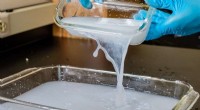
* Petroleum Products: This category includes gasoline, diesel, oil, and other fuels, which are often involved in spills due to transportation accidents, leaks from storage tanks, and industrial processes.
* Solvents: These are widely used in industries like manufacturing, cleaning, and painting, and spills can happen during handling, storage, and accidental releases. Examples include acetone, toluene, and ethanol.
* Acids and Bases: These chemicals are used in a variety of industrial processes and can cause severe damage if spilled. Examples include sulfuric acid, hydrochloric acid, sodium hydroxide, and ammonia.
* Chemicals Used in Agriculture: Pesticides, fertilizers, and herbicides can contaminate water sources and harm ecosystems if spilled.
Factors Affecting Spill Frequency:
* Industry: Industries like transportation, manufacturing, and agriculture are prone to chemical spills due to the nature of their operations.
* Transportation: Accidents involving tankers or other vehicles carrying chemicals can result in significant spills.
* Storage: Leaks from storage tanks, pipelines, and containers can cause chemical spills.
* Natural Disasters: Storms, floods, and earthquakes can damage storage facilities and lead to chemical releases.
Conclusion:
While it's difficult to identify the single "most common" chemical spill, the types of chemicals listed above are frequently involved in spills due to their widespread use and potential for accidental release.