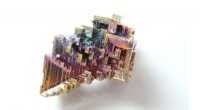
* Chromium Oxide Layer: Stainless steel contains at least 10.5% chromium. When exposed to air, chromium reacts with oxygen to form a thin, invisible layer of chromium oxide (Cr2O3) on the surface. This layer is extremely durable and acts as a protective barrier, preventing further oxidation (rusting) of the underlying steel.
* Passivation: This protective chromium oxide layer is known as a "passive layer." It's very stable and self-healing. If the layer is damaged, it will quickly reform in the presence of oxygen.
Why Stainless Steel Can Still Rust:
* Chlorides: Chlorides (found in salt water, seawater, and some types of rainwater) can damage the protective oxide layer. This is why stainless steel is less resistant to rusting in coastal environments.
* High Temperatures: Prolonged exposure to high temperatures can also degrade the protective layer.
* Specific Steel Grades: Not all stainless steel grades are created equal. Some have lower chromium content, making them more susceptible to rusting.
* Surface Imperfections: Scratches, dents, or other surface damage can compromise the protective layer and allow rust to form.
In Conclusion:
While stainless steel is significantly more resistant to rust than regular steel, it's not entirely immune. The presence of certain environmental factors, particularly chlorides, can still lead to rusting. Proper care and maintenance are crucial to ensure the long-lasting durability of stainless steel.