Here's a breakdown:
* Chemical Change: The substance's chemical composition changes, forming new substances.
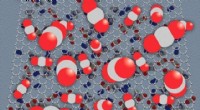
* Oxygen: The oxygen molecule (O2) is involved in the chemical reaction.
* Formation of New Bonds: The atoms of the substance and oxygen atoms rearrange themselves, forming new bonds.
* Energy Release or Absorption: This process can release energy (exothermic reaction) or absorb energy (endothermic reaction).
Common Examples:
* Combustion: Burning wood, fuel, or other materials in the presence of oxygen releases heat and light, resulting in the formation of carbon dioxide and water.
* Rusting: Iron reacts with oxygen and water to form iron oxide (rust), a process that weakens the iron.
* Respiration: Living organisms take in oxygen and use it to break down food molecules, releasing energy and producing carbon dioxide and water.
Not all reactions with oxygen are the same:
* Oxidation: A broad term that describes any reaction in which a substance loses electrons. Reactions with oxygen are often oxidation reactions, but not all oxidation reactions involve oxygen.
* Combustion: A specific type of oxidation reaction that involves the rapid reaction of a substance with oxygen, producing heat and light.
Overall, "reacts with oxygen" signifies a chemical process where oxygen is involved in the formation of new substances and the release or absorption of energy.