Here's a simplified representation of the reaction:
Carboxylic acid + Alcohol ⇌ Ester + Water
Example:
* Ethanoic acid (acetic acid) + Methanol ⇌ Methyl ethanoate (methyl acetate) + Water
Mechanism of Esterification:
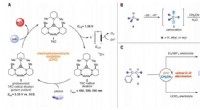
The reaction proceeds through a series of steps involving:
1. Protonation of the carboxylic acid: The alcohol acts as a proton acceptor, protonating the carbonyl group of the carboxylic acid.
2. Nucleophilic attack: The alcohol's oxygen atom, now negatively charged, attacks the carbonyl carbon.
3. Elimination of water: A molecule of water is eliminated, forming a tetrahedral intermediate.
4. Proton transfer: A proton transfer occurs, leading to the formation of the ester and water.
Conditions for Esterification:
Esterification is typically carried out in the presence of an acid catalyst, such as concentrated sulfuric acid. This speeds up the reaction and drives the equilibrium towards the formation of the ester. Heating the reaction mixture also helps to increase the rate of reaction.
Note: Esterification is a reversible reaction, meaning the ester can also be hydrolyzed back into the carboxylic acid and alcohol. This reverse reaction is also catalyzed by acid.