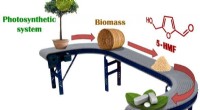
1. Carbohydrates: These are the primary energy source for living organisms. They are composed of carbon, hydrogen, and oxygen. Examples include sugars, starches, and cellulose.
2. Lipids (Fats): These are important for energy storage, insulation, and cell membrane structure. They are also composed of carbon, hydrogen, and oxygen, but with a higher proportion of hydrogen. Examples include fats, oils, and waxes.
3. Proteins: These are complex molecules that perform a wide variety of functions in living organisms, including structural support, enzyme activity, and hormone production. They are composed of amino acids, which contain carbon, hydrogen, oxygen, nitrogen, and sometimes sulfur.
4. Nucleic Acids: These are responsible for storing and transmitting genetic information. They are made up of nucleotides, which are composed of a sugar, a phosphate group, and a nitrogenous base. Examples include DNA and RNA.
While these four compounds are essential for life, living things also contain other inorganic compounds such as water, minerals, and salts.