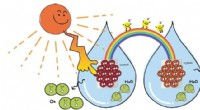
1. Photosynthesis: This is the most famous series of reactions involving pigments. It is the process by which plants, algae, and some bacteria use sunlight to convert carbon dioxide and water into glucose and oxygen. Chlorophyll is the primary pigment involved, absorbing light energy, particularly in the red and blue wavelengths, and reflecting green light.
2. Colorimetric Reactions: These are chemical reactions that involve the production or change of color. They often utilize dyes and indicators as pigments. An example is the iodine test for starch, where iodine reacts with starch to form a blue-black complex. This reaction is used to detect the presence of starch in foods.
3. Pigment Synthesis: Many organisms produce their own pigments for various purposes. These processes involve a series of complex biochemical reactions. For example, in animals, the melanin synthesis pathway involves several steps, starting from tyrosine and leading to the formation of melanin, which gives color to skin, hair, and eyes.
4. Pigment Degradation: Over time, pigments can degrade and change color. Fading of fabrics, artwork, and other materials is often due to the breakdown of pigments exposed to sunlight, oxygen, and other environmental factors. The specific reactions involved depend on the pigment and the environmental conditions.
5. Pigment Interactions: Pigments can interact with each other in various ways, resulting in changes in color. For example, the color of a mixture of pigments can be different from the colors of the individual pigments. Also, pigments can absorb and reflect light differently depending on the presence of other pigments.
Therefore, "a series of reactions that involve pigments" is a broad topic. To get a more precise answer, you need to specify which aspect of pigment you are interested in.